|
In Perú, Like in
a Few Other Countries, Nature Has Brought Together an
Enormous Variety of Landscapes, Climates and Ecosystems
That Range From Coastal Deserts to Amazonian Exuberance,
and Include the Diversity of Micro-Climates of the
Different Levels and Valleys of the Andes Mountains. In
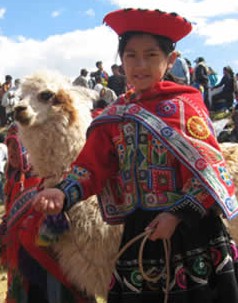
This Mix of Landscapes, There is a Combination of Races
and Cultural Contributions Which are Represented in a
Diversity of Expressions Such as the Culinary Art of
Exceptional Variety. This Natural Diversity and the
Country's Important Cultural and Historic Heritage Make
Perú an Extremely Interesting Destination for Tourists.
Generally, Perú Has Been Known For the Rich Legacy Left
by the Pre-Hispanic Cultures Throughout its Territory.
The Country Has Important Archaeological Discoveries
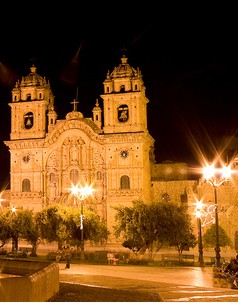
Such as Cuzco. The Tourist Axis
is the City of Cusco the Ancient Capital of
the Incas, Considered the Archaeological Capital of
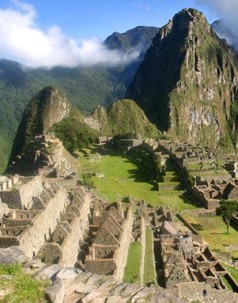
South America. In Effect, the Ruins of Machu Picchu are
the Country's Main Tourist Attraction. In the City of
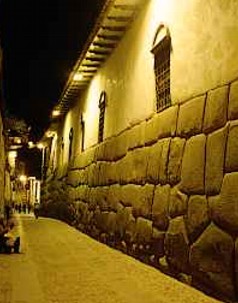
Cuzco, as in no Other Place, the Complexity of the
Culture Gave Way to the Melting Pot From the Fusion
Between Spanish and Natives That Can be Appreciated
there. The Nazca Lines are Also Famous, the Immense
Geometric Drawings Left in the Southern Coastal Desert
by Ancient Cultures. Their Purpose Remains a Mystery to
Archaeologists. In Southern Perú There are Also Natural
Attractions Such as Lake Titicaca, the Highest Navigable
Lake in the World, Located in the Department of Puno, or
the Colca Cañon, in the Department of Arequipa, the
World's Deepest Canyon the Colca River Runs 3400 Meters
Below - , Famous for its Rapids, and its Terrace System,
Constructed by the Collaguas Ancient Inhabitants of the
Region. The Tourist Axis of the North Has Received
Renewed Attention Lately With the Recent Discovery of
the Tomb of the Lord of Sipan Comparable in Richness and
Artistic Quality to That of the Egyptian Pharaoh
Tutankhamon. This Discovery Has Generated Enormous
International Interest not Only Because of the Treasures
Extracted , But Also Because the Pieces Enclosed in
These Pyramids Shed Light on the Mochica Culture , Which
was Developed in the Northern Coastal Valley of Perú
Between the First and the Fourth Centuries AD. The North
of Perú Also Has the Citadel of Chan-Chan, One of the
Largest "Adobe Mud-Clay Citadels in the World”. There
are Beautiful Beaches, Like the Summer Resorts of Punta
Sal, Máncora and Cabo Blanco - Famous Among Lovers of
Merlin Fishing and One of Ernest Hemingway's Favorite
Sports Where Sunshine and Tranquility are Guaranteed all
Year Around. Perú has Important Attractions for the
Adventure Tourists and the Eco-Tourists as Well. The
Number One Destination is the Region of the Amazon
Jungle, With Puerto Maldonado and Iquitos as the Main
Points of Attraction. The Exuberance of the Amazonian
Jungle Offers the Possibility to Become Familiar With an
Unexplored Paradise Where the Flora and Fauna are
Protected by a National Park System, Among Them the Most
Important is
Manu National Park. This Park was Designed to
Maintain the Ecological Balance of the Region. They
Offer the Tourist the Opportunity to Became Familiar
With this Area, Thereby Creating Awareness of the
Importance of Preserving Nature For the Sake of all
Human Beings.
|