|
|
|
GALAPAGOS TOURS
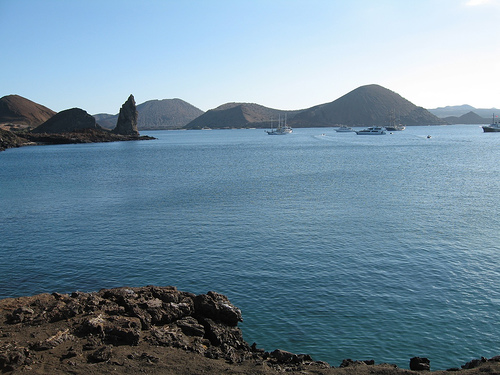
The Galápagos Islands (Official Name:
Archipelago de Colón; Other Spanish Names: Islas de
Colón or Islas Galápagos) are an Archipelago of Volcanic
Islands Distributed Around the Equator in the Pacific
Ocean, 972 km (525 mi) West of Continental Ecuador, of
Which They are a Part. Wildlife is its Most Notable
Feature.
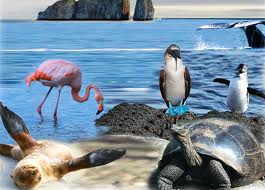
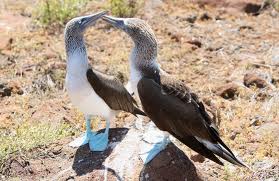
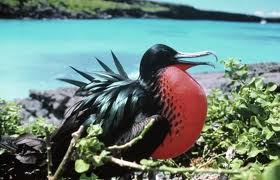
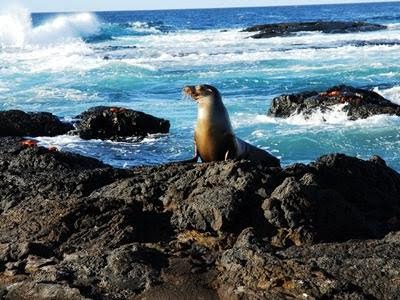
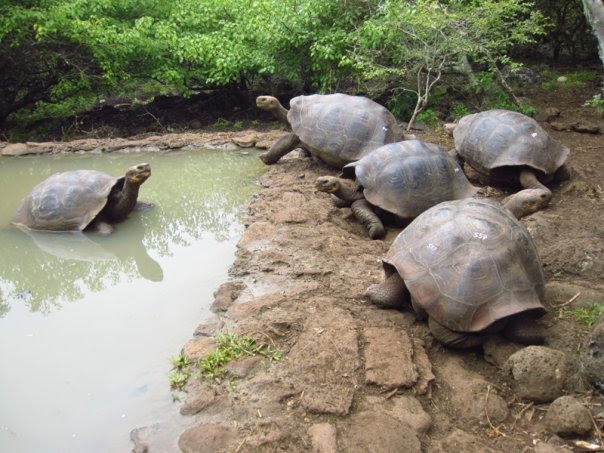
The Galápagos Islands and its Surrounding Waters Form an
Ecuadorian Province, a National Park, and a Biological
Marine Reserve. The Principal Language on the Islands is
Spanish. The Islands have a Population of Around 23,000.
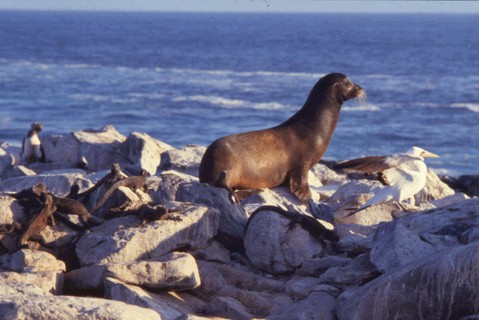
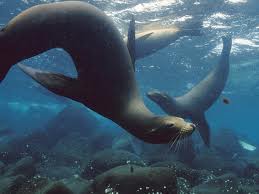
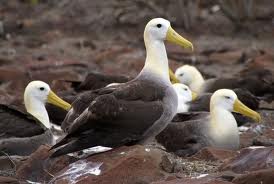
The Islands are Geologically Young and Famed for Their
Vast Number of Endemic Species, Which were Studied by
Charles Darwin During the Voyage of the Beagle. His
Observations and Collections Contributed to the
Beginning of Darwin's Theory of Evolution by Natural
Selection.
We Offer Several Departure Cruise Trips to Galapagos
Islands , Please Make a Choice: |
| |
|
• Low season: Jan 06 - Mar 28 / Dec 01 - Dec 19
• High season: Mar 29 - Nov 30
• Holiday season: Jan 01 - Jan 05 / Dec 20 - Dec 31
NOTES
Children under 12 years old, 25% discount sharing the cabin with 2 adults
Single supplement 50% except for Christmas, New Year and Easter Holidays
80% supplement for Christmas, New Year and Easter Holidays
RATES INCLUDE:
All-inclusive cruises sharing double accommodation in sea view cabins with
air-conditioning & private facilities.
All meals, welcome & farewell cocktails, water, 24-hour coffee station.
Air Ticket Quito or Guayaquil to/from Galapagos
Two daily visits to different islands with multilingual naturalist guide (upon
request).
Snorkeling and kayaking opportunities.
Activities on board, briefings, lectures.
NOT INCLUDED:
$100 Galapagos National Park entrance fee
Galapagos Transit Control Card ($20)
Alcoholic and non-alcoholic beverages
Cancellation/medical insurance
Wet suits rental: US$ 25 net per person per each short cruise.
Fuel surcharge US$ 90 net per person for a 3 or 4-night cruise, US$ 180 for
a 7
Wet suits rental: US$ 25 net per person for a 3 or 4-night cruise, US$ 50
for a 7
Internet available US$ 32 net per 10 min.
Tips & personal expenses.
|
| |
|
| |
|

Mon-Fri 9 Am - 6 Pm ET
please allow pop-ups
|
|
|
|
| |
|
Call Centers |
|

NORTH AMERICA TOLL FREE
Monday - Friday
From 9 am to 6 pm ET
1 888 671 2852 voice
1 888 671 2853 voice
Discounted Airfares Toll Free
1-866-856-8368
1 480 247 4242 Fax

United Kingdom - TOLL FREE (Freephone)
0-800-098-8450

Australian Customers TOLL FREE
1-800-194078
Rest of the world
+51 1 4443027 - 4457704
|
|